

Определены задачи по ускоренному развитию химической промышленности
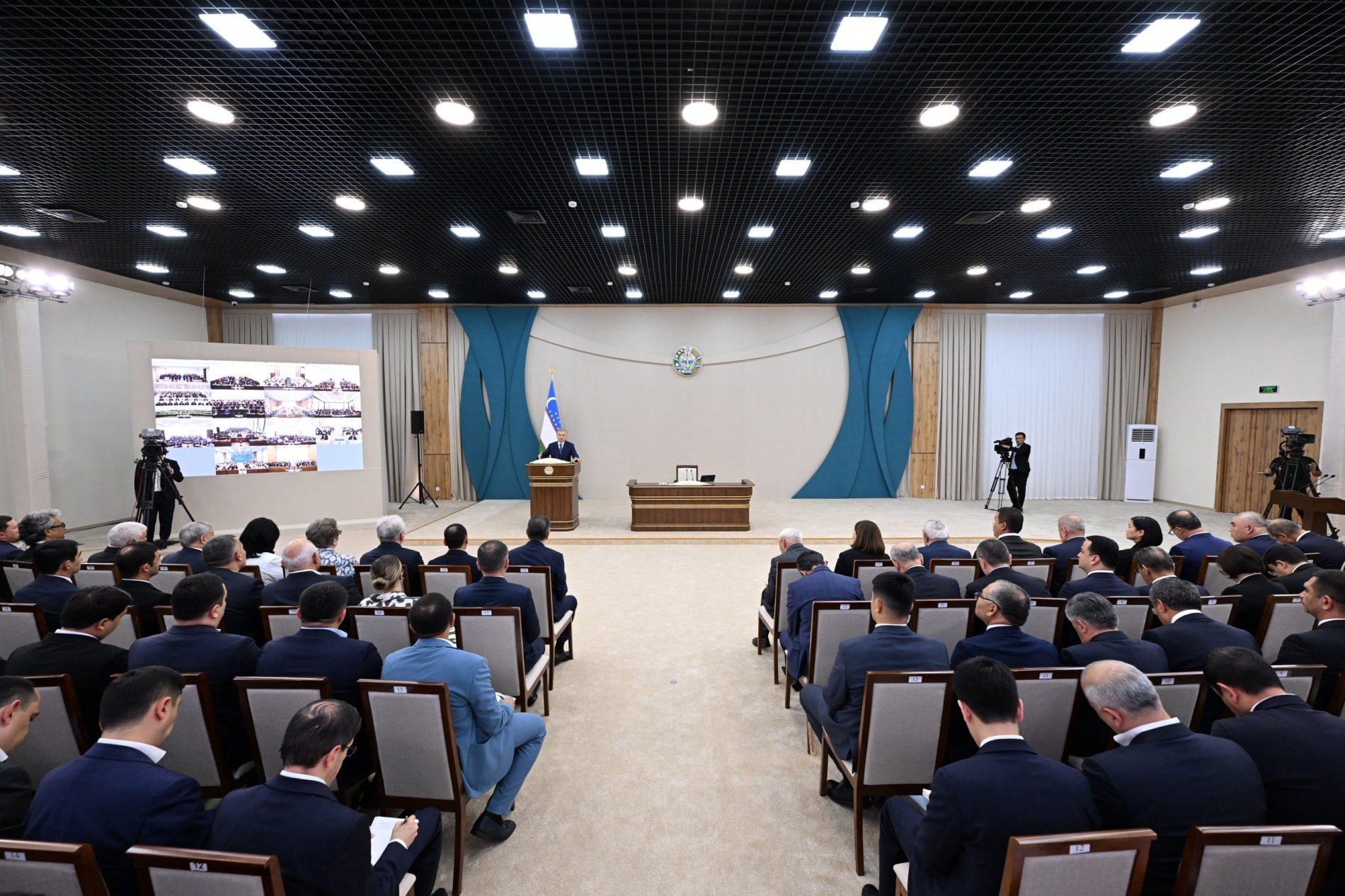
Под председательством Президента Шавката Мирзиёева 2 июня состоялось видеоселекторное совещание по задачам ускоренного развития химической промышленности и реализации инвестиционных проектов в регионах, сообщает пресс-служба главы нашего государства.
Отмечено, что экономика страны динамично развивается, в последние годы в секторах промышленности налажен выпуск 3 тысяч новых видов продукции.
Еще 9-10 лет назад химическая отрасль страны в основном была представлена производством минеральных удобрений. В последние годы в отрасль было привлечено 8,3 миллиарда долларов инвестиций и введено в эксплуатацию 87 крупных производственных мощностей.
Освоено производство более 60 видов новой продукции с высокой добавленной стоимостью, включая ПВХ, «зеленый» водород, вспененный полипропилен и БОПП-пленку. Благодаря этому создана необходимая сырьевая база для выпуска тысяч новых видов продукции в различных отраслях экономики.
В результате экспорт отрасли вырос в 3 раза, а численность работников превысила 50 тысяч человек.
Вместе с тем было отмечено, что в отрасли сохраняется значительный нереализованный потенциал. За последние девять лет промышленность республики в среднем выросла на 6,3 процента, тогда как в химической промышленности этот показатель не достиг и 3 процентов. Импорт химической продукции увеличился в 4 раза и достиг 4,5 миллиарда долларов в год.
Указано, что акционерное общество «Узкимёсаноат» зациклено на крупных предприятиях, входящих в его структуру, практически отсутствует системная работа с более чем 5 тысячами предприятий отрасли, их проблемы и предложения не изучаются.
На совещании особое внимание уделено вопросам изменения структуры производства, повышения добавленной стоимости и снижения энергозатрат.
В стране ежегодно производится 1,5 миллиона тонн аммиачной селитры, на что расходуется 1,07 миллиарда кубометров газа. При этом передовые страны сокращают потребление селитры, переходя в сельском хозяйстве на использование карбамида и водорастворимых удобрений, а в горнодобывающей промышленности – на применение пористой селитры.
Отмечено, что при производстве пористой селитры, имеющей одинаковую себестоимость с аммиачной селитрой, добавленная стоимость удваивается. Подчеркнуто, что ответственные лица и руководители химических предприятий должны серьезно подумать о расширении подобных проектов.
Также указано, что при производстве клея из цианистых солей, выпускаемых на «Навоиазоте» по 3,7 тысячи долларов за тонну, стоимость продукции может увеличиться до 8 тысяч долларов. Ответственным лицам поручено начать реализацию 10 малотоннажных химических проектов общей стоимостью 1 миллиард долларов на территории кластера рядом с «Навоиазотом».
Подчеркнуто, что кратно увеличить добавленную стоимость можно и за счет полного задействования имеющихся геологических резервов.
В Каракалпакстане, Сурхандарьинской, Кашкадарьинской и Навоийской областях имеются 550 миллионов тонн запасов натрия и калия, а также 20 миллионов тонн бентонита. При глубокой переработке данного сырья и производстве каустической соды добавленная стоимость может увеличиться в 3 раза.
Выявленные запасы серпентинита в Джизакской области и Каракалпакстане составляют 1,5 миллиона и 500 тысяч тонн соответственно. При его переработке с применением серной кислоты можно получать оксид магния стоимостью до 5 тысяч долларов за тонну. Дальнейшая глубокая переработка серпентинита создаст возможности для получения никеля, хрома и кобальта, которые являются важным сырьем для электротехнической промышленности.
Ответственным лицам поручено разработать и приступить к практической реализации трехлетней программы по увеличению в 2 раза запасов сырья, необходимого для химической промышленности, включая фосфорит, галит, мирабилит и серпентинит. В сфере переработки серпентинита поставлена задача по запуску проектов на сумму не менее 200 миллиона долларов.
Ежегодно в страну импортируется бытовая химия на 300 миллионов долларов. Объем рынка этой продукции в регионе оценивается в 2 миллиарда долларов.
К примеру, предприниматель в свободной экономической зоне «Ангрен» наладил сотрудничество с известной мировой компанией «Henkel». В настоящее время предприятие приобретено этим концерном. Планируется поставлять местную продукцию в страны Содружества.
Для расширения подобных проектов на территории одной из промышленных зон столицы будут выделены площади под реализацию инициатив в сфере бытовой химии. На это будет направлено 50 миллионов долларов с условием продажи введенных в эксплуатацию предприятий вместе с брендом в качестве готового прибыльного бизнеса частному сектору.
Для аналогичных проектов в других регионах из Фонда промышленной кооперации будет выделено 15 миллионов долларов. В целом ответственным лицам поручено разработать программу по запуску не менее 100 новых брендовых продуктов в сфере бытовой химии.
На совещании также были проанализированы возможности рынка минеральных удобрений.
Спрос на минеральные удобрения в мире ежегодно растет на 5 процентов и ожидается, что к 2030 году он превысит 260 миллиардов долларов. На фоне внедрения новых агротехнологий особенно резко растет спрос на водорастворимые удобрения.
Перед ответственными лицами и хокимами поставлена задача реализовать в течение следующих трех лет 42 проекта общей стоимостью 2,8 миллиарда долларов. За счет этого к 2030 году планируется увеличить производство азотных удобрений с 2,8 миллиона тонн до 4 миллионов тонн, фосфорных – с 400 тысяч тонн до 900 тысяч тонн, а водорастворимых – с 100 тысяч тонн до 400 тысяч тонн.
Отмечено, что реализация крупных проектов в сфере водорастворимых удобрений, полимеров, бытовой и неорганической химии приведет к росту спроса на специалистов в таких современных направлениях, как нанохимия, «зеленая» химия, супрамолекулярная химия, а также химическое моделирование на основе искусственного интеллекта.
В этой связи принято решение о создании в химической промышленности целостной системы, охватывающей образование, научные исследования, лаборатории и стартапы.
Для этого в Мирзо-Улугбекском районе на участке площадью 60 гектаров будет организован инновационный научно-производственный и образовательный кластер для химической промышленности. В этом кластере совместно с Южной Кореей построят Центр инноваций химических технологий. В центре будут возмещать половину затрат, связанных с опытно-экспериментальными работами.
В целом поручено разработать и приступить к практической реализации программы по запуску в химической промышленности более 350 проектов на 17 миллиардов долларов.
Глава государства подчеркнул, что для достижения этих амбициозных целей необходимо управлять отраслью на основе научно обоснованных и современных подходов. В этой связи ответственным лицам даны поручения по трансформации акционерного общества «Узкимёсаноат».
В ходе совещания заслушаны отчеты ответственных лиц и глав регионов, состоялся диалог с руководителями отраслевых предприятий.
Поделиться в социальных сетях


Объекты для инвестиций